What Harrow Council expects for household rubbish in Kenton
If you live in Kenton, rubbish rules can feel simple right up until they are not. One bin is for this, another bag is for that, and suddenly you are wondering whether a broken chair, a black sack, or a box of mixed packaging is actually acceptable. This guide explains what Harrow Council expects for household rubbish in Kenton in plain English, so you can put waste out correctly, avoid missed collections, and keep your home or property tidy without the usual guesswork.
There is a practical side to this, too. Good rubbish habits make the street look cleaner, reduce pest problems, and help recyclable materials stay out of landfill. They also save time. Nobody wants to drag a wrongly presented bag back inside on a wet Tuesday morning. To be fair, that is the sort of annoyance that sticks with you.
Below, you will find a step-by-step breakdown of how household rubbish is generally expected to be presented, what mistakes cause problems, and how to handle awkward items such as bulky waste, mixed recycling, and extra household rubbish. If you are also planning a larger clear-out, you may find the guidance on recycling and sustainability useful alongside this article.
Table of Contents
- Why what Harrow Council expects for household rubbish in Kenton matters
- How it works in everyday use
- Key benefits and practical advantages
- Who this is for and when it makes sense
- Step-by-step guidance
- Expert tips for better results
- Common mistakes to avoid
- Tools, resources and recommendations
- Law, compliance, standards, and best practice
- Options, methods, or comparison table
- Case study or real-world example
- Practical checklist
- Conclusion
- Frequently asked questions
Why what Harrow Council expects for household rubbish in Kenton matters
Harrow Council's household rubbish expectations are not just about keeping the bins tidy. They exist to help collections run safely, fairly, and on time across the borough. In a place like Kenton, where streets can be busy and parking is often tight, the way waste is presented can make a real difference to whether it gets collected without fuss.
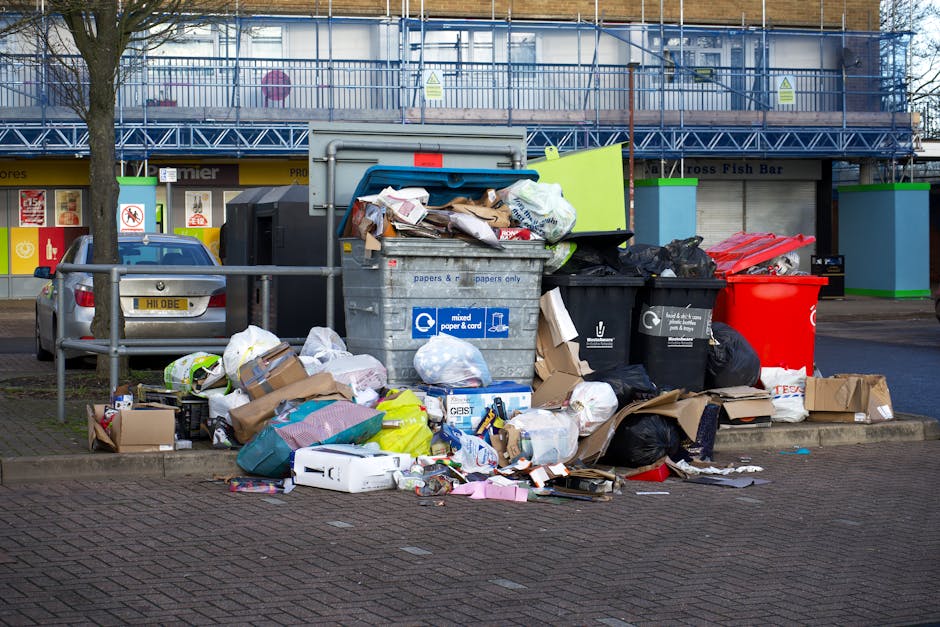
At a practical level, the expectations usually cover the basics: what goes into household rubbish, what should be separated for recycling, how bags or bins should be set out, and what should not be left beside the bin. Those details sound small, but they matter. A bag that is ripped open, overfilled, or contaminated can delay collection, attract foxes, or leave litter spread along the pavement. You can almost picture it on a windy morning. Not ideal.
There is also a wider responsibility. Sorting rubbish correctly helps reduce contamination in recycling streams, which means more of the right material can actually be processed. That is a simple win, and one many households appreciate once they get into the habit.
Practical takeaway: the safest approach is to assume your rubbish should be cleanly sorted, securely contained, and easy for collectors to handle without extra lifting, spillage, or ambiguity.
If your waste includes items that are not straightforward household rubbish, such as office leftovers, cardboard mountains, or mixed furniture from a clear-out, it is worth checking a more specialised service page such as Office Clearance Kenton before you put anything out. That can save a lot of second-guessing.
How it works in everyday use
In day-to-day terms, Harrow Council expects household rubbish to be presented in a way that is safe, orderly, and consistent with the council's collection arrangements. For most residents, that means using the right container, placing items out on the correct day, and keeping non-rubbish materials out of the general waste stream.
Think of it as three layers: what the item is, how it is contained, and when it is put out. If any one of those is off, the collection can become awkward.
1. What belongs in household rubbish
Typical household rubbish is the non-recyclable waste left after you have separated out food recycling, dry recycling, and reusable items. In many homes that means things like stained packaging, used tissues, broken odds and ends, and other general household refuse. The tricky bit is that people often want to put everything in one sack and move on. Tempting, yes. But not the best approach.
2. How it should be contained
Rubbish should normally be placed in the approved container or bag system used for your property. The key idea is simple: keep waste contained so it does not spill, blow away, or create a hazard for the collection crew. Bags should be tied securely if used, and bins should not be jammed so full that the lid cannot close.
3. When it should go out
Timing matters. Household rubbish should generally be presented on the designated collection day and not left out for long periods before collection. Setting waste out too early can make pavements cluttered and invites mess. Leaving it too late, obviously, means it can be missed. A small window, well timed, is usually the easiest way.
For residents managing a larger amount of waste, especially after a move, refurb, or property clear-out, the council collection route may not be the most efficient option. In those cases, it can help to compare service levels and costs through pricing and quotes so you know whether a one-off clearance makes more sense.
Key benefits and practical advantages
Following the council's household rubbish expectations brings a few obvious benefits, and a few that only become obvious once you stop dealing with avoidable waste issues.
- Fewer missed collections: rubbish set out properly is less likely to be left behind.
- Cleaner streets: contained waste does not spread across pavements and front gardens.
- Lower pest risk: securely stored waste is less likely to attract foxes, birds, or rats.
- Better recycling outcomes: separating materials correctly keeps recyclable items out of general rubbish.
- Less stress for residents: you do not need to keep checking whether you have done the right thing.
There is also a social side to it. In streets where people are a bit more careful with bins and sacks, the whole area feels more looked after. That may sound minor, but it is the kind of thing residents notice on a damp evening when the pavement is clear and there is no stale rubbish smell hanging around.
For landlords, managing agents, and busy households, there is a financial upside as well. Getting the basics right means fewer complaints, less time spent chasing problems, and fewer surprise costs from emergency collections or unplanned private removals. If you need help handling waste from a bigger property job, the site's health and safety policy and insurance and safety information are worth reviewing before any clearance work starts.
Who this is for and when it makes sense
This guidance is useful for anyone producing household rubbish in Kenton, but a few groups benefit especially from knowing the expectations clearly.
Homeowners and tenants
If you are living in a house, flat, or converted property, you need to know how waste should be stored and presented. Shared access, tight front gardens, and communal areas can make collection arrangements more awkward than people expect.
Landlords and letting agents
Void properties and tenant move-outs often create mixed rubbish that looks like household waste but behaves more like clearance waste. A quick visual check can prevent bins being overloaded with things they were never designed to handle.
Families with higher weekly waste
Busy households with children, pets, or frequent deliveries often generate more rubbish than they first realise. Packaging, food waste, and soft plastics build up quickly. If your bins seem permanently full, the problem may not be negligence. It may simply be a sign that your sorting method needs tightening up.
People dealing with a clear-out
House moves, bereavement clearances, refurbishments, and downsizing create waste that does not fit neatly into normal weekly rubbish routines. That is where the council expectation can become more nuanced, because bulky or mixed items often need a different route.
Truth be told, if you are staring at a room full of boxes, broken shelving, and odd household junk, a one-off collection plan is usually far less painful than trying to force everything into normal bins.
Step-by-step guidance
If you want the simplest path through the process, follow these steps. They are straightforward, but doing them in order saves time and avoids the common little errors that cause frustration.
- Sort your waste by type. Separate general rubbish from recycling, food waste, and reusable items. Do not mix everything together just because you are in a hurry.
- Check what can be recycled first. Clean cardboard, paper, cans, bottles, and other accepted materials should usually stay out of general rubbish. If an item is dirty or contaminated, it may belong in the general waste instead.
- Use the right container. Place rubbish in the bin or bag type provided for your property. If the lid cannot close, the load is probably too much.
- Keep bags secure. Tie sacks properly and avoid overfilling. Loose waste is exactly what gets scattered on a windy street.
- Put waste out on time. Leave it for collection on the correct day and in the expected place, not days in advance.
- Remove prohibited items. Batteries, sharp objects, liquids, electricals, and bulky waste often need separate handling.
- Check the result after collection. If something is left behind, review whether it was contaminated, oversized, or not presented correctly.
A small but important detail: if you have household rubbish from a tidy-up and are not sure whether it counts as normal weekly waste or a larger clearance job, it is better to pause and assess than to guess. A wrong guess can mean the whole pile gets rejected. Annoying, but avoidable.
Expert tips for better results
In our experience, the households that run waste collection smoothly tend to do a few simple things consistently. Nothing flashy. Just habits that work.
Keep a "sorting spot" at home
Even a small area in a kitchen, utility room, or hallway can help. One bag for rubbish, one box for recycling, and a separate place for batteries or electrical items makes daily life easier. It also stops the "I'll sort it later" pile from growing into a mini landfill beside the fridge.
Flatten cardboard before it grows legs
Cardboard boxes take up much more space than most people expect. Flatten them early and keep them dry. A soggy box on the pavement is no one's favourite sight at 7:30 in the morning.
Watch for contamination
A clean tin is one thing. A tin with half a tin of curry still inside is another. The same goes for greasy paper, food-soaked packaging, and mixed materials. Contamination is one of the most common reasons recyclable items get rejected or diverted.
Do a quick final check before collection
Before you put anything outside, ask yourself three questions: Is it in the right container? Is it secure? Is it actually rubbish, or should it be recycled, reused, or taken separately? That tiny pause can save a headache later.
If you are dealing with more than everyday waste, the page on recycling and sustainability is a useful companion read, especially if you want a more responsible way to handle mixed materials.
Common mistakes to avoid
The same few errors come up again and again. None are dramatic on their own, but together they can cause repeated collection issues.
- Overfilling bins: if the lid will not close, the collection crew may not take it.
- Leaving waste loose: loose items are easy to scatter and hard to collect safely.
- Mixing recycling with rubbish: a single contaminated bag can create avoidable waste.
- Putting out waste too early: this can create clutter and attract mess or pests.
- Ignoring bulky items: furniture, mattresses, and large appliances often need a different disposal route.
- Forgetting about sharps or hazardous items: broken glass, needles, paint, chemicals, and batteries need special care.
One surprisingly common issue is the "just one extra bag" habit. It feels harmless, but if every household did that regularly, collection crews would be dealing with a much bigger workload and more spillage. Small habits scale up fast.
If a waste problem has become more than a one-off, and you need a straightforward path to clearing it properly, a quote request through pricing and quotes can help you compare options without the back-and-forth.
Tools, resources and recommendations
You do not need fancy equipment to manage household rubbish well, but a few basic tools make life a lot easier.
| Tool or resource | Why it helps | Best use |
|---|---|---|
| Sturdy bin liners or sacks | Reduce spills and make handling easier | General rubbish and mixed household waste |
| Recycling caddy or labelled boxes | Keeps materials separated indoors | Paper, cans, bottles, and dry recycling |
| Disposable gloves | Helpful for sharp edges or dirty items | Sorting after a clear-out or deep clean |
| Marker labels | Useful in shared homes or managed properties | Assigning bins to specific waste types |
| Collection notes or calendar reminders | Prevents missed set-out days | Busy households and multi-occupancy properties |
For households or small businesses that need a more managed approach, the website's insurance and safety page explains the kind of reassurance many people want before allowing anyone to handle waste on-site. And if you are checking how a provider handles payments, the payment and security page is a sensible place to look before committing.
Another useful resource, especially if you are comparing providers or deciding whether to book a clearance at all, is the company's main site. It gives you a broader sense of the services available and helps you match the right option to the waste you actually have.
Law, compliance, standards, and best practice
This section needs a careful tone. Household rubbish rules are set and interpreted through local authority arrangements, and those arrangements can change. So while the broad principles are stable, the exact collection instructions for your address should always be checked against the latest council guidance.
From a compliance point of view, the safest approach is to follow three ideas:
- Use the correct waste stream: put materials in the appropriate bin or collection route.
- Do not create hazards: keep sharps, liquids, chemicals, and heavy items handled separately where needed.
- Keep access clear: collection crews need a safe and practical way to reach waste.
That is the plain-English version. Nothing dramatic, just sensible standards that keep everyone safer. For larger volumes, especially if a property is being emptied, there may also be duties around duty of care, safe lifting, and ensuring waste is passed to the right handler. These are normal UK waste-management expectations, not obscure rules hidden in a drawer somewhere.
If you are arranging a clearance and want to understand how responsible disposal is handled, the modern slavery statement and health and safety policy provide useful trust signals about how a business thinks about ethical and safe working practices. That matters more than people often realise.
One more point: accessibility and complaints processes are not waste rules as such, but they are part of good service. If you need to understand how a provider handles concerns or access needs, the pages on accessibility and complaints are worth a look.
Options, methods, or comparison table
When household rubbish builds up, most Kenton residents end up choosing between three practical routes: standard council collection, a small private clearance, or a larger one-off removal. The right option depends on volume, timing, and how mixed the waste is.
| Option | Best for | Strengths | Limitations |
|---|---|---|---|
| Council household rubbish collection | Routine weekly or scheduled waste | Convenient, familiar, suited to normal household rubbish | Not ideal for bulky, mixed, or unusually large loads |
| Private clearance service | Clear-outs, bulky waste, tight deadlines | Flexible, faster for awkward jobs, useful for mixed items | Usually involves a separate cost and booking process |
| DIY trips to a disposal point | Small loads and organised drivers | Good for people who already have transport and time | Can be tiring, time-consuming, and awkward with heavy items |
For many households, the answer is not one method forever. It is a mix. Regular rubbish goes through the normal route, and the odd big clear-out gets handled separately. That balanced approach usually works best, and it keeps your bins from becoming a permanent storage solution for "stuff you'll deal with later."
Case study or real-world example
Imagine a small terraced property in Kenton after a family move. The house has the usual weekly rubbish, but there is also a stack of flattened boxes, a broken bedside table, an old vacuum cleaner, and a few bags of mixed household clutter from the loft. On paper, it all looks like rubbish. In practice, it is a mix of ordinary refuse, recyclable cardboard, bulky waste, and items that may need separate handling.
The first instinct is often to push everything into black bags and hope for the best. But that usually creates problems. The bags become too heavy, the boxes take up too much space, and the old appliance does not belong there anyway. A better approach is to split the items before collection day:
- cardboard flattened and kept dry for recycling
- general rubbish bagged securely
- bulky furniture identified for a separate route
- electrical items checked for appropriate disposal
That small bit of sorting can turn a stressful job into something manageable. And honestly, once the first few bags are properly separated, the rest of the task feels much lighter. Less chaos. Less lifting. Less standing in the doorway thinking, "where did all this come from?"
For situations like this, a trusted clearance provider can be helpful, especially if the household wants a neat, compliant solution without spending the whole weekend hauling waste around in the rain. Not glamorous, but very practical.
Practical checklist
Use this checklist before you put household rubbish out in Kenton.
- Have I separated recycling from general rubbish?
- Are the bags securely tied or the bin lid fully closed?
- Have I removed bulky items, sharps, batteries, or hazardous materials?
- Is the waste going out on the correct day?
- Have I kept the pavement, path, or shared access clear?
- Is anything contaminated, damp, or likely to spill?
- Do I need a separate plan for furniture, appliances, or a large clear-out?
- Have I checked any building-specific or property-specific arrangements?
If you can tick all of those off, you are in a good place. Not perfect, maybe. But good enough to avoid the usual headaches.
Conclusion
What Harrow Council expects for household rubbish in Kenton is, at heart, pretty straightforward: sort waste properly, keep it secure, present it on time, and do not mix in items that need a different disposal route. The detail matters, but the principle is simple. If your rubbish is contained, correctly separated, and easy to collect, you are already doing most of the job well.
For everyday households, that means fewer missed collections and a cleaner street. For bigger jobs, it means knowing when normal bins are no longer the right tool. Once you understand the pattern, waste management becomes less of a chore and more of a routine. Still a chore, yes, but a manageable one.
Get a free quote today and see how much you can save.
And if you are weighing up a clear-out or need help with a larger volume of household rubbish, it is worth looking at a service that handles the process carefully, safely, and with the kind of calm attention that makes the whole thing easier to live with.
Frequently Asked Questions
What counts as household rubbish in Kenton?
Household rubbish usually means general non-recyclable waste from everyday living, such as certain food-contaminated items, broken miscellaneous goods, and other refuse that does not belong in recycling. If you are unsure, separate anything recyclable first.
Can I put extra bags beside the bin if it is full?
Usually, extra bags should only be left out if they are allowed under your collection arrangement. Overfilled or loosely placed bags are a common reason for missed or partial collections, so it is better to check the local guidance first.
What should I do with bulky items like furniture?
Bulky items often need a separate collection route or private clearance. They are not the same as normal weekly household rubbish, and forcing them into standard waste bags is rarely a good idea.
Are black bags always acceptable for general waste?
Not necessarily. The right container depends on the arrangement for your property and collection service. Secure containment matters, but the exact type of bag or bin should match the local collection system.
Can I put broken electronics in household rubbish?
Usually not. Electrical items often need special disposal because they contain components that should be handled separately. Small appliances, cables, and electronics are best checked before you throw them away.
What happens if my rubbish is contaminated with recycling?
Contamination can cause recyclable material to be rejected or treated as general rubbish. It is one of the main reasons people think they have sorted waste correctly when, in practice, they have not.
How early can I put my rubbish out?
That depends on the local collection rules and property setup. As a general best practice, avoid leaving waste out too far in advance. Keeping collection areas tidy helps prevent mess, pests, and complaints.
Do landlords need to follow the same household rubbish expectations?
Yes, and in many cases they need to be even more organised because tenants, shared access, and move-outs can create mixed waste quickly. Clear instructions and a defined waste process make a big difference.
What if I have a large clear-out after decorating or moving house?
A large clear-out often goes beyond normal household rubbish. It may be better to use a dedicated clearance service or arrange disposal for bulky and mixed items separately, especially if time is tight.
How do I know if my rubbish should be recycled instead?
A simple rule is to separate anything clean, dry, and accepted in the recycling stream before putting the rest into general waste. If the item is clean and made of common recyclable materials, it is worth checking first.
Why do collections sometimes leave my bin behind?
The most common reasons are overfilling, contamination, unsuitable items, or the bin being placed incorrectly. Sometimes it is a small issue that is easy to fix once you know what went wrong.
Where can I find more information about a clearance service?
If you are comparing options or planning a bigger waste removal job, the main service pages on the website, along with the pricing and compliance information, are a useful place to start. They help you understand what is included before you book anything.