Kenton Station area weekly rubbish collection tips
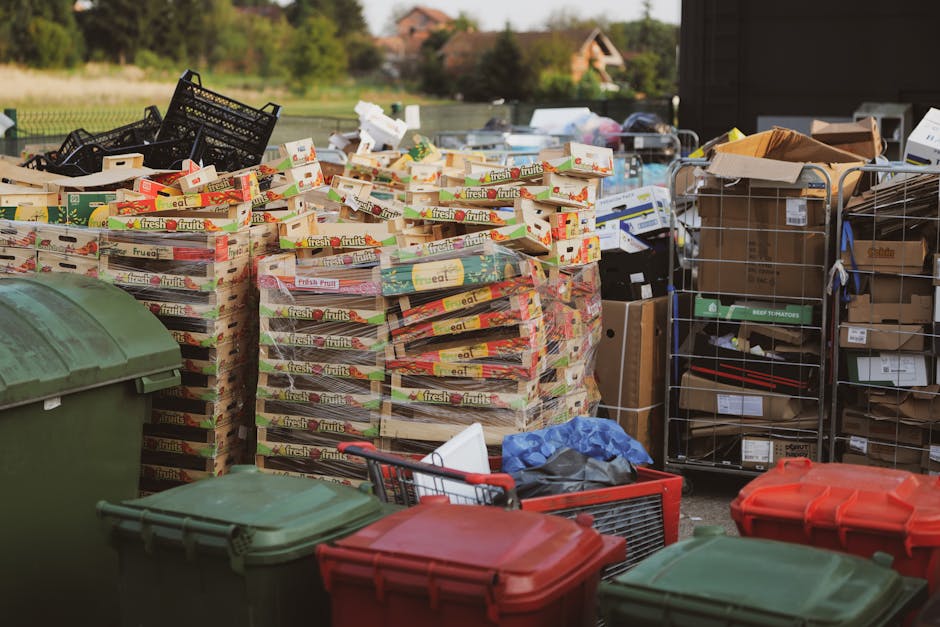
If you live or work near Kenton Station, weekly rubbish collection can feel simple right up until it isn't. One windy evening, one overfilled black sack, one missed lid, and suddenly the pavement looks untidy and the bins start attracting attention. The good news? A few practical habits make a real difference. These Kenton Station area weekly rubbish collection tips are designed to help you keep waste under control, reduce hassle on collection day, and avoid the small mistakes that turn into bigger problems.
This guide is for households, flats, small businesses, landlords, and anyone trying to keep a busy local property running smoothly. You will find clear steps, local-minded advice, common pitfalls, and a few sensible ways to decide when a standard weekly collection is enough and when extra waste removal support makes life easier. Let's face it, rubbish management is never glamorous. But done properly, it saves time, keeps things tidy, and reduces stress.
Why Kenton Station area weekly rubbish collection tips matter
Near a station, everything tends to move faster. Foot traffic is higher, shared spaces get used more, and bin day can become a very visible part of local life. A weekly rubbish collection routine matters because it keeps homes and businesses presentable, but it also helps avoid overflowing containers, odours, pests, and awkward disputes with neighbours or building managers.
In terraced streets, flats above shops, and mixed-use buildings, the weekly rhythm is especially important. When one household skips a step, everybody notices. A bin bag left open can blow across a walkway. Food waste can smell quicker than you expect in warmer weather. And if collection day is missed because the wrong bin was used, the whole cycle gets pushed back for another week. That's a long time when space is tight.
There is also a practical cost to poor rubbish habits. Messier bin areas often need more cleaning, more sorting, and more time from residents, caretakers, or business staff. If you have ever spent ten minutes moving bin bags around just to find the right container, you already know the problem. Small systems save big headaches.
Expert summary: The most effective weekly rubbish routine is not about being perfect. It is about being consistent, sorting waste early, and making collection day easy rather than rushed.
For properties with regular clear-outs, extra packaging, or heavier household waste, it can also help to understand the difference between day-to-day bin waste and broader clearance needs. Services such as house clearance, flat clearance, and home clearance are often useful when regular collection alone no longer keeps up.
How Kenton Station area weekly rubbish collection tips works
Weekly rubbish collection is usually straightforward: waste is separated, stored safely, placed out on the correct day, and collected by the relevant waste operator or local service. What makes the routine work well is everything that happens before the bin reaches the kerb.
Think of it as a small weekly system. First, you reduce what enters the rubbish stream. Then you sort what you can recycle or reuse. After that, you keep the remaining waste contained, dry where possible, and accessible for collection. It sounds obvious, but the difference between an easy bin day and a messy one is often just preparation.
In practical terms, a good weekly routine usually includes:
- knowing which bins or sacks are used for which waste type
- making sure lids close properly
- avoiding loose waste that can blow away
- keeping food waste separate from dry recyclables where required
- placing bins out on the right day and at the right time
- bringing them back in promptly after collection
For businesses, the process can be slightly more involved because waste streams are more varied. Office kitchens, packaging, paper, cardboard, and light commercial waste all behave differently. That is why some premises benefit from a dedicated business waste removal plan, rather than trying to squeeze everything into a one-size-fits-all bin routine.
For homes, the routine may be simpler, but the same principle applies. A small bit of organisation on Monday or Tuesday often saves the Friday-night scramble when the bags are already piled up. And nobody wants that, to be fair.
Key benefits and practical advantages
Weekly rubbish collection tips are useful because they do more than keep the kerbside tidy. They help make the whole week smoother. Here are the main benefits people usually notice first.
1. A cleaner, calmer property
When bins are managed well, outdoor spaces stay more pleasant. That matters in a compact area around a station, where entrances, front gardens, stairwells, and shared paths can feel busy already. Cleaner waste storage also means less smell and fewer stray items drifting about.
2. Less time spent sorting on collection day
If you have ever stood in the rain trying to separate cardboard from mixed rubbish at 7:10 in the morning, you'll know why preparation matters. A tidy weekly system takes minutes, not panic.
3. Better recycling outcomes
When recyclable items are kept separate and clean, they are more likely to go into the right stream. That helps reduce contamination, which is a common issue in shared bin areas and mixed households.
4. Fewer missed collections and refusals
Missed collections often happen because the bin is overfilled, the lid is open, the wrong waste is inside, or the bin is not placed correctly. Simple checks reduce those awkward surprises.
5. Easier sharing in flats and multi-occupancy buildings
Shared waste areas work best when everyone follows the same basic habits. If not, one person's shortcut becomes everyone's problem. A clear routine helps keep things fair.
For bulky items, weekly collection is not always enough. Furniture, garden waste, or loft clearances may need separate handling. In those situations, services like furniture clearance, garden clearance, or loft clearance can help clear space without clogging up the regular bins.
Who this is for and when it makes sense
This advice is useful for a wide mix of people, not just one type of property. Near Kenton Station, you typically see a blend of renters, homeowners, landlords, shop staff, office workers, and people managing smaller commercial spaces. Weekly rubbish habits matter for all of them.
Households
If you live in a house, weekly collection tips help keep the kitchen bin from becoming a midweek emergency. Families especially benefit from quick sorting habits, because waste grows surprisingly fast. Breakfast packaging, takeaway containers, laundry-room clutter, it all adds up.
Flats and shared buildings
Shared bin stores need more structure. When several households use the same waste area, it only takes one overloaded sack or one wrongly placed item to cause a nuisance. A basic routine and a bit of neighbourly discipline go a long way.
Landlords and letting agents
If you manage rental property, good rubbish habits help protect the building and reduce complaints. A tidy bin area often says more about a property than people realise. It is one of those small details that quietly shapes tenant experience.
Shops, offices, and small workplaces
Commercial sites near transport hubs often generate packaging, paper, food waste, or customer rubbish at a steady pace. A weekly collection plan can work well, but only if staff know what goes where. Offices may also benefit from office clearance when old desks, storage, or surplus equipment starts building up.
Anyone clearing out in stages
If you are decluttering over a few weekends, weekly collection alone may struggle. That is when it makes sense to combine routine bin use with occasional clearance support. A lot of people only realise this halfway through the process, after the hallway starts looking like a staging area. Happens all the time.
Step-by-step guidance
Here is a simple, practical method you can follow each week. It is not fancy. It just works.
- Start sorting early in the week. Put paper, plastics, food waste, glass, and general rubbish into the correct categories as you go. Do not wait until the night before.
- Keep a small staging area. A corner of the kitchen, utility room, or bin store works well. Make sure it is dry and easy to clean.
- Break down packaging. Flatten cardboard boxes, crush empty bottles where appropriate, and remove unnecessary air from packaging. You will fit more in the bin without overstuffing it.
- Bag waste properly. Tie bags securely so they do not split. Thin, loose bags are a nuisance in wind and rain, especially around exposed station-adjacent streets.
- Check the bin lid. If the lid will not close, it is probably too full. That is a warning sign, not a challenge.
- Put bins out on time. Use the correct collection day and avoid leaving them out longer than necessary.
- Bring them back in quickly. This keeps pavements clear and reduces the chance of bins being moved, tipped, or filled by others.
- Reset for the next week. Wipe down the bin area, keep a spare liner ready, and note any recurring problems.
A tiny habit can make a big difference here. For example, if you keep a recycling box next to the front door and empty it every two or three days, collection day becomes much less chaotic. One less thing to think about, which is nice.
Expert tips for better results
After dealing with lots of everyday waste situations, a few patterns become obvious. The best tips are usually the boring ones. That is not a criticism; boring is often exactly what you want with rubbish.
Use separate containers inside the property
If all waste goes into one kitchen bag and then gets sorted later, contamination rises quickly. Separate caddies, boxes, or small bins make the right habit easier.
Keep damp and dry waste apart where possible
Wet cardboard, food residue, and leaking bags cause odours and attract pests. Even a small amount of moisture can turn a neat bin store into a grim little corner by Thursday afternoon.
Label shared bins clearly
In flats or business premises, plain labels help more than long instructions. Keep them short: general waste, mixed recycling, food waste, cardboard only. Simple wins.
Schedule heavier clear-outs separately
If you are clearing a garage, loft, or garden, do not rely on weekly rubbish bins for everything. It becomes slow, messy, and sometimes costly in time. Better to plan a separate clearance for bulky or awkward items.
Think seasonally
Summer brings odours and flies faster. Winter brings damp bags and wind. Spring brings the sudden urge to clear everything in sight. Adjust your routine accordingly.
If you are dealing with worn-out sofas, chairs, or broken storage, it may be more efficient to arrange furniture disposal rather than putting pieces out with household rubbish. That keeps the weekly system from getting overloaded.
Common mistakes to avoid
Most rubbish problems are not caused by one big mistake. They come from a cluster of small ones. Here are the most common slip-ups, and yes, a few are very familiar.
- Overfilling bins. If the lid does not shut, collection crews may refuse it or leave waste behind.
- Using the wrong container. One wrong bag can contaminate an entire load.
- Leaving loose rubbish outside. Birds, wind, and rain are not kind to open waste.
- Forgetting collection day changes. Bank holidays and local schedule changes catch people out more often than they should.
- Mixing bulky items with normal weekly waste. A broken chair or bed frame is not a standard bin job.
- Ignoring odours or pests. If something smells off, it usually means the storage process needs adjusting.
- Letting shared bin areas become "someone else's problem." That attitude never helps. Never.
One subtle mistake is assuming "it will be fine this week." Sometimes it is fine. Sometimes it is not. Weekly rubbish collection works best when the process is predictable, not improvised at the last minute.
Tools, resources and recommendations
You do not need fancy equipment to manage weekly waste well. A few sensible basics are usually enough.
| Tool or resource | Best for | Why it helps |
|---|---|---|
| Small indoor recycling box | Homes and flats | Makes sorting easier before waste reaches the main bin |
| Heavy-duty bin liners | Kitchen and general waste | Reduces splitting and leakage |
| Simple bin labels | Shared buildings and workplaces | Helps everyone use the right container without guesswork |
| Fold-flat cardboard stack | Frequent deliveries | Keeps dry recyclables compact and tidy |
| Occasional clearance support | Bulky or seasonal waste | Prevents regular collections from becoming overloaded |
For larger clear-outs or awkward items, it helps to know your options in advance. Services such as garage clearance and builders waste clearance are especially useful when waste is too bulky, dusty, or heavy for routine collection.
If you are comparing professional support, check practical details like access, loading time, types of waste accepted, and how recycling is handled. The cheapest option is not always the smoothest one. Truth be told, smooth is often worth a lot.
Law, compliance, standards, or best practice
For rubbish collection and waste handling in the UK, the safest approach is to follow local collection rules, respect property management requirements, and keep waste separated where instructions require it. The exact arrangements can vary by area and property type, so if you are unsure, treat the collection instructions for your building or service as the starting point.
Good practice usually means:
- only placing waste out on the correct day and in the correct container
- keeping footpaths and communal areas clear
- not leaving hazardous items in ordinary domestic waste
- storing waste securely so it does not escape, leak, or attract pests
- using a reputable clearance provider for bulky, commercial, or mixed waste where needed
For businesses, additional care is sensible because commercial waste can include paper records, packaging, food waste, electrical items, and furniture. A structured approach reduces the risk of missed collections and poor storage. If you want reassurance on handling standards and site safety, it is worth reviewing a provider's health and safety policy and insurance and safety information.
There is also a sustainability angle. Reuse, repair, recycling, and careful sorting all matter. A provider that explains its approach clearly is usually easier to trust. You can also look at a company's recycling and sustainability information to understand how waste is being managed beyond simple collection.
Options, methods, and comparison table
Most people in the Kenton Station area end up using one of three approaches: sticking to weekly collection only, adding a routine sorting system, or combining weekly bin use with occasional professional clearance. The right choice depends on volume, property type, and how much time you want to spend managing waste.
| Approach | Best for | Strengths | Limits |
|---|---|---|---|
| Weekly collection only | Low-volume households | Simple and low-effort | Can struggle with bulky or seasonal waste |
| Weekly collection + household sorting | Families, flats, and shared homes | Better order, cleaner recycling, fewer missed bins | Needs a bit of discipline each week |
| Weekly collection + periodic clearance | Busy homes, landlords, offices, and decluttering projects | Handles both everyday rubbish and larger jobs | Requires planning and occasionally more cost |
If your property has a lot of stored items, a broader clearance service can be a better fit. That may include loft clearance, flat clearance, or even office clearance depending on what is piling up. It is not overkill if it prevents weekly waste from becoming a constant nuisance.
Case study or real-world example
Picture a small flat near Kenton Station with two adults, a busy schedule, and a tiny bin area. By Wednesday, the food bin smells a bit off. By Thursday, packaging from deliveries is stacked near the kitchen door. By Friday evening, the whole place feels crowded even though the waste itself is not huge.
The fix is rarely dramatic. In one typical setup, the residents changed three habits: they flattened cardboard as it came in, kept food scraps in a small caddy with a lid, and put the main bags out the evening before collection rather than waiting until morning. They also cleared old items from the hallway by booking a one-off house clearance for the bigger clutter that weekly bins could never absorb properly.
Within a couple of weeks, the bin area was easier to manage. Not perfect, just calmer. The smell dropped. The bins closed properly. And, perhaps most importantly, nobody had that last-minute Sunday night dread of "where is all this going to go?"
That is the real point of good weekly rubbish habits. They remove friction. They make ordinary life a bit lighter.
Practical checklist
Use this quick checklist before each collection day:
- Have I sorted recycling, food waste, and general rubbish properly?
- Are all bags tied securely?
- Is the bin lid fully closed?
- Have I flattened cardboard and removed loose packaging?
- Are any items too bulky for the weekly bin?
- Have I checked the correct collection day and time?
- Will the bins be easy for collectors to access?
- Can I bring the bins back in promptly after collection?
- Does the bin area need a quick clean or rinse?
- Do I need a separate clearance for furniture, garden waste, or building debris?
Quick takeaway: the cleaner your system is before collection day, the less time you spend dealing with waste afterwards.
If weekly bins are no longer enough, or you are trying to clear a property in stages, it may be the right moment to look at a professional service with clear pricing and straightforward communication. If that sounds like you, the next sensible step is to compare options, check access needs, and choose the simplest route that genuinely solves the problem.
Get a free quote today and see how much you can save.
Conclusion
Weekly rubbish collection around Kenton Station works best when it is treated as a small routine rather than an afterthought. Sort early, store waste neatly, avoid overfilling bins, and use separate clearance support when bulky items start getting in the way. That is really the formula.
The quieter your rubbish routine, the easier your week feels. A tidy bin area, a cleaner entrance, and a collection day that just happens without drama, that is the goal. Nothing flashy. Just practical, reliable order. And in a busy part of London, that counts for a lot.
For more about the team behind the service, you can also visit the about us page, or use the contact us page if you want to talk through a rubbish or clearance issue in more detail.
Frequently Asked Questions
What is the best way to manage weekly rubbish collection near Kenton Station?
The best approach is to sort waste as you generate it, keep bins labelled and easy to access, and put out only the correct amount on collection day. A steady routine beats a last-minute rush every time.
How can I stop my bins from smelling between collections?
Keep food waste sealed, rinse recyclable containers where appropriate, and avoid leaving damp waste in the bin for too long. A quick clean of the bin area also helps more than people expect.
What should I do if my weekly bin is always full too early?
If your bin fills up every week, cut back packaging waste where possible and separate recyclables more carefully. If the problem is bulky items or a one-off declutter, a clearance service may be the better answer.
Can I put furniture out with my normal weekly rubbish?
Usually no, not if it is large or awkward. Furniture is better handled through a dedicated collection or furniture clearance service, especially if it needs dismantling or removal from a flat.
What are the biggest mistakes people make on bin day?
The most common mistakes are overfilling bins, mixing waste types, leaving loose rubbish outside, and missing the collection time. These are small errors, but they can cause real nuisance.
How do weekly rubbish tips help in flats and shared buildings?
They help everyone use the same system, reduce contamination, and keep shared bin stores cleaner. In shared buildings, consistency matters more because one person's mistake affects the whole space.
Do I need professional waste removal if I already have weekly collections?
Not always. But if you are clearing a loft, garage, office, or garden, weekly bins may not be enough. That is when professional support can save time and keep the property manageable.
Is recycling really worth the extra effort?
Yes, because it usually makes the whole waste system cleaner and less cluttered. It also reduces the amount of general rubbish you need to store each week, which is handy in smaller homes.
What should businesses near Kenton Station do differently from homes?
Businesses should plan for more varied waste types, train staff on sorting, and keep a tighter eye on storage and access. Many commercial sites benefit from a structured business waste removal arrangement rather than an informal bin routine.
How often should I clean the bin area?
As often as needed, but a light clean after collection is a good habit. If the area is food-heavy or shared by multiple households, weekly attention is sensible.
What if I have builders' waste as well as normal rubbish?
Keep construction debris separate from household waste. Bricks, plaster, timber offcuts, and packaging from renovation work are usually better handled through builders waste clearance rather than the weekly bin.
Where can I find more information about pricing and safety?
If you are comparing options, look at the provider's pricing and quotes details and read the service information carefully. It also helps to review their terms and conditions so you know what is included before booking.